
Vision
Zealandia Te Māra a Tāne has a 500-year vision to restore our sanctuary, and in doing so, transform how people live with te taiao / nature
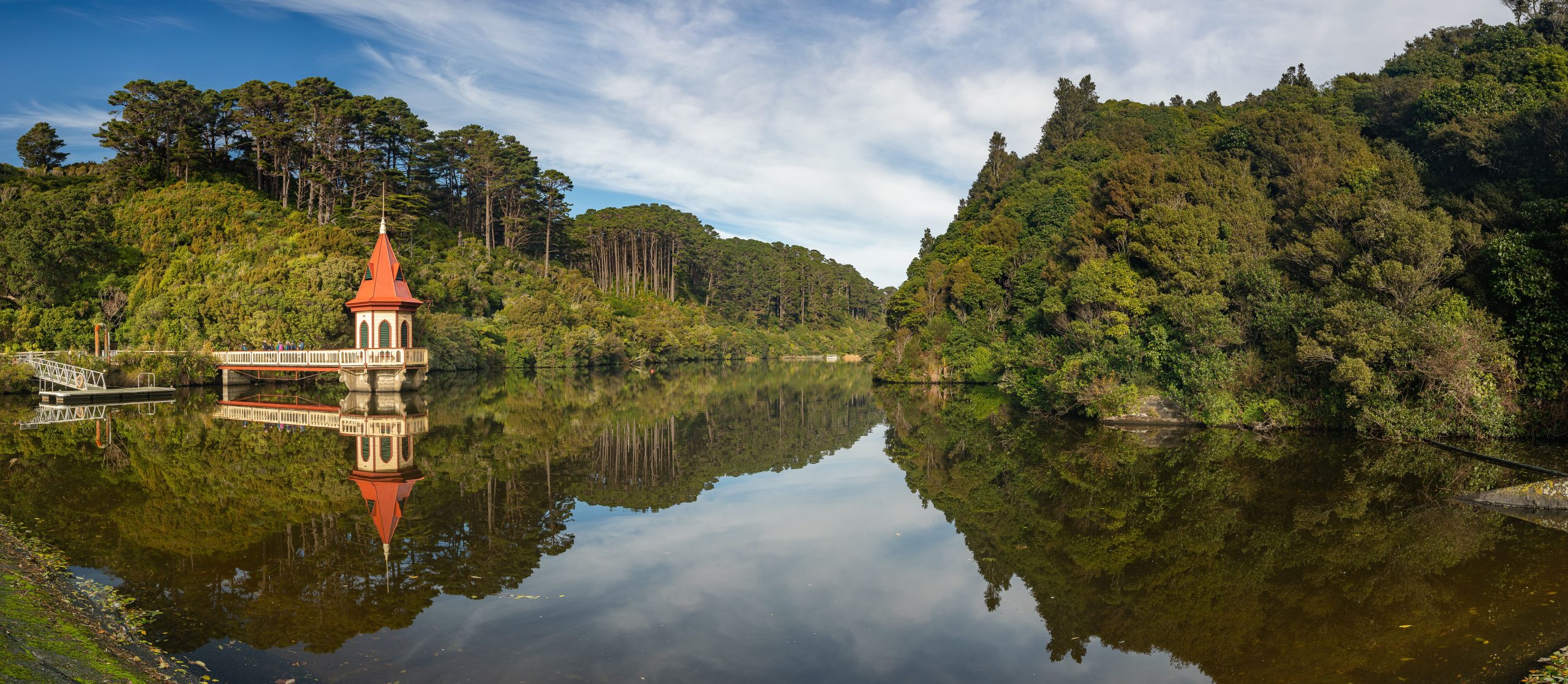
Encircled by Aotearoa New Zealand’s first mammalian predator exclusion fence, Zealandia Te Māra a Tāne is a safe haven for many of our country’s rarest native species, including some that had been absent from the mainland for more than 100 years. It is situated in the heart of urban Wellington and operates with the help of 500+ volunteers.
Location
Located close to Wellington’s CBD (with a free shuttle service for visitors).
Area
225 hectares surrounded by a 8.6km predator-exclusion fence.
Organisations involved
The sanctuary is owned by the Karori Sanctuary Trust and managed with support from Wellington City Council. Zealandia is guided in our conservation mahi through our relationships with Māori and with local iwi such as Taranaki Whānui ki Te Ūpoko o te Ika and Ngāti Toa Rangatira.
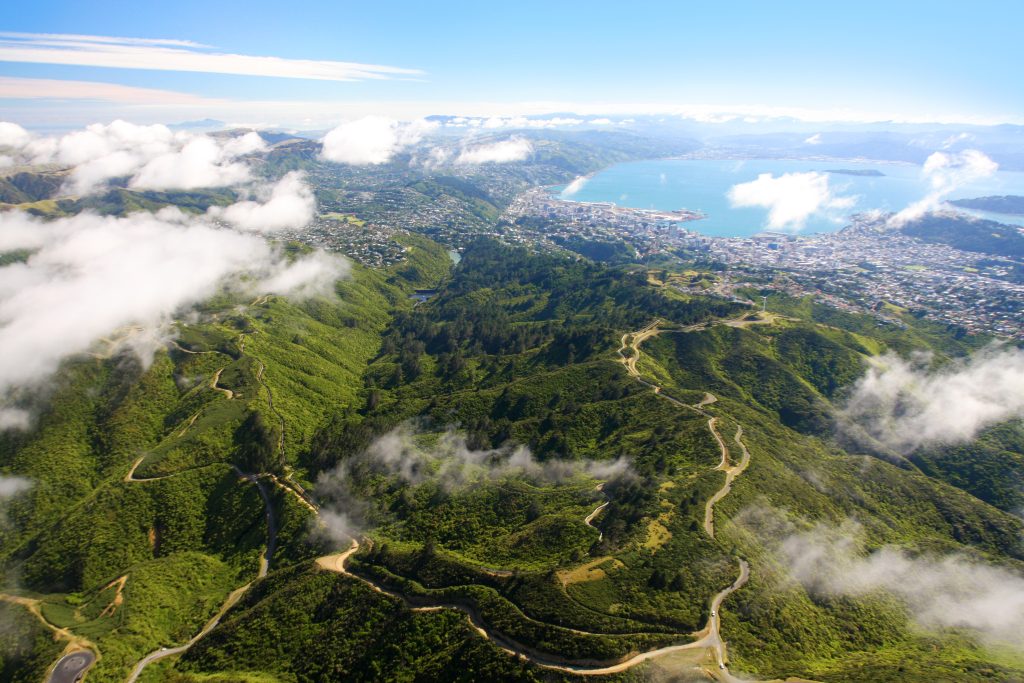
Zealandia Te Māra a Tāne, 53 Waiapu Road, Karori, Wellington 6012
Management history
When Wellington’s water reservoir was decommissioned in 1991, conservation visionary Jim Lynch began drafting a detailed proposal for a fenced urban sanctuary. The concept was revolutionary: build a predator-proof fence to create the world’s first fully fenced urban ecosanctuary. After gaining support from conservation groups, Wellington City Council, DOC, and GWRC. the decision was made to design a totally new predator exclusion fence.
In July 1995 the Karori Sanctuary Trust was officially launched. Detailed design work for the fence was completed three years later. Construction of the fence began in April 1999 and was completed in August the same year. What followed was the world’s first eradication of 13 predator species at once – rodents, cats, possums, mustelids, rabbits, hedgehogs, and hares.
More than 25 years later and the results of these efforts can be seen not only in the regeneration of bush inside the sanctuary providing habitat for hihi, tīeke, toutouwai and many more, but in “the halo effect” as species like kākā, tūī, kererū and titipounamu successfully travel and breed far beyond the confines of the fence. Zealandia has expanded their focus to restoring the freshwater ecosystems of the sanctuary and the wider Kaiwharawhara whaitua / water catchment through the Kia Mouriora Te Kaiwharawhara Sanctuary to Sea project.
Access
Open daily except Christmas day – check visitzealandia.com for summer/winter opening hours. There are 32 kilometres (approx. 20 miles) of walking tracks to explore around Zealand Te Māra a Tāne. When there are strong winds, some of the most exposed tracks can be closed until the conditions improve.